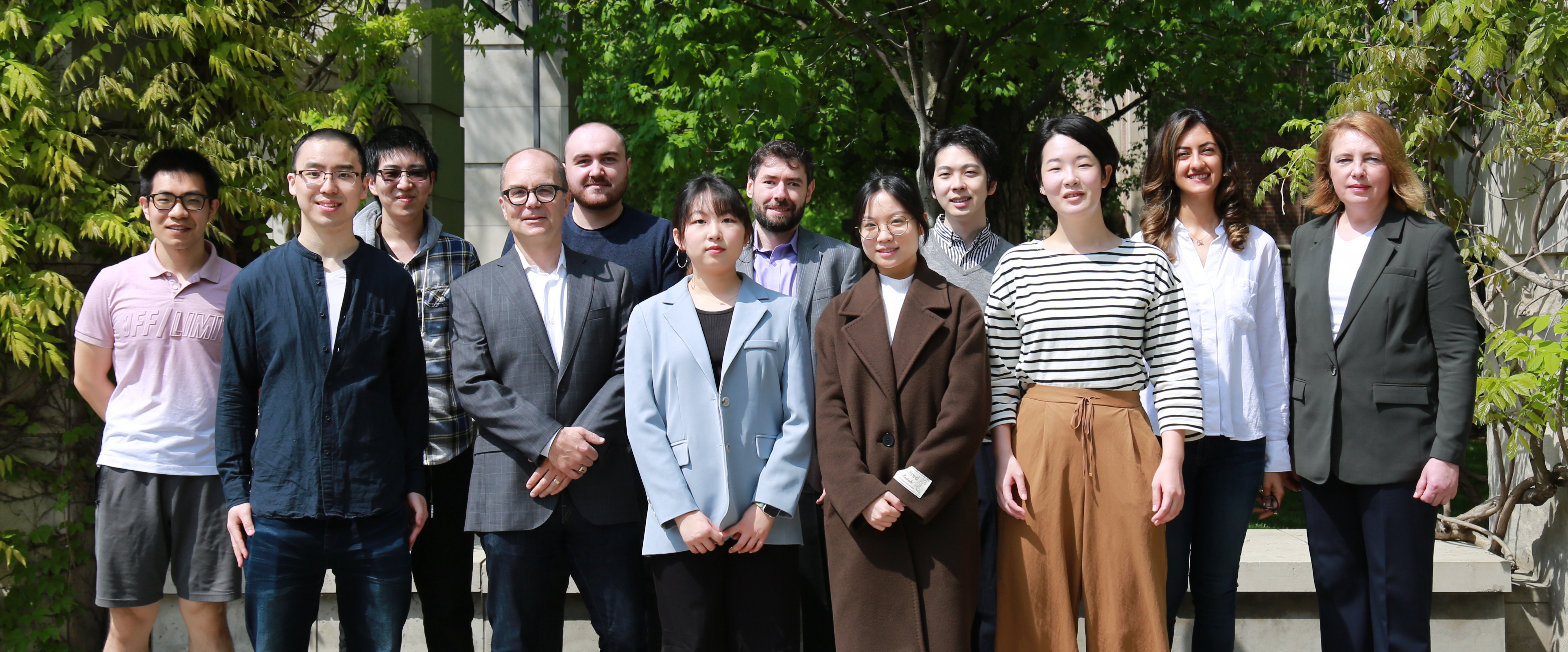
The TIDEL Research Group
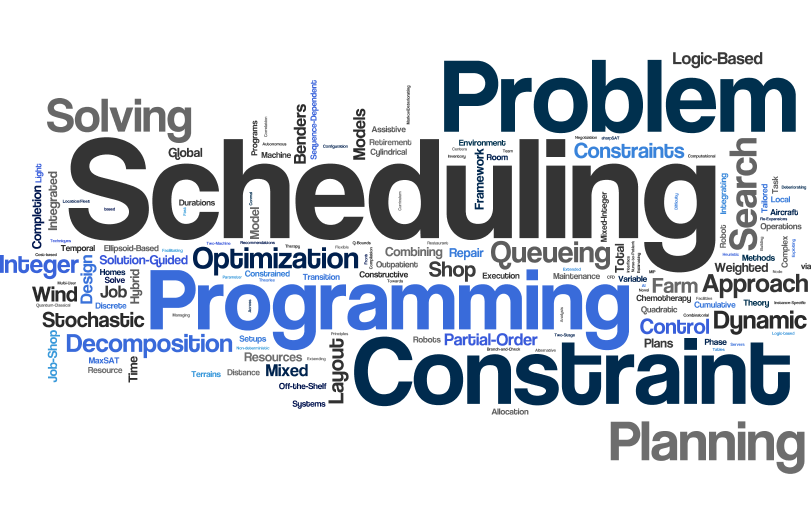
TIDEL is concerned with the structure, organization and manipulation of information for automated and human decision making. Our primary research focus is the extension of AI and optimization techniques to this end. As a result, we are interested in methodologies such as constraint programming, local search, hybrid AI/OR techniques, stochastic optimization, machine learning, data mining, and representation and reasoning about preferences.
The applications we are currently studying include: scheduling, robotics, supply chain management, vehicle routing, decision-making in uncertain and dynamic environments, and development of intelligent restaurant and hotel reservation systems. Other broad areas of interest include security, planning and scheduling of web services, automated composition and software engineering.
TIDEL is composed of graduate students working toward master's and doctorate degrees in industrial engineering and
computer science, interns and post-docs. Members of TIDEL have diverse educational backgrounds, with undergraduate
and graduate degrees from computer science, engineering science, industrial engineering, mechatronics and operations
research, obtained from Canadian as well as international universities. This diversity is perfect for TIDEL's
interdisciplinary approach to research: the variety of perspectives allows the team to gain a deeper understanding
of problems and promotes the development of hybrid methodologies for solving them.


|